
One word. Four letters.
It's the difference between AI that collects dust and AI that quietly doubles your output.
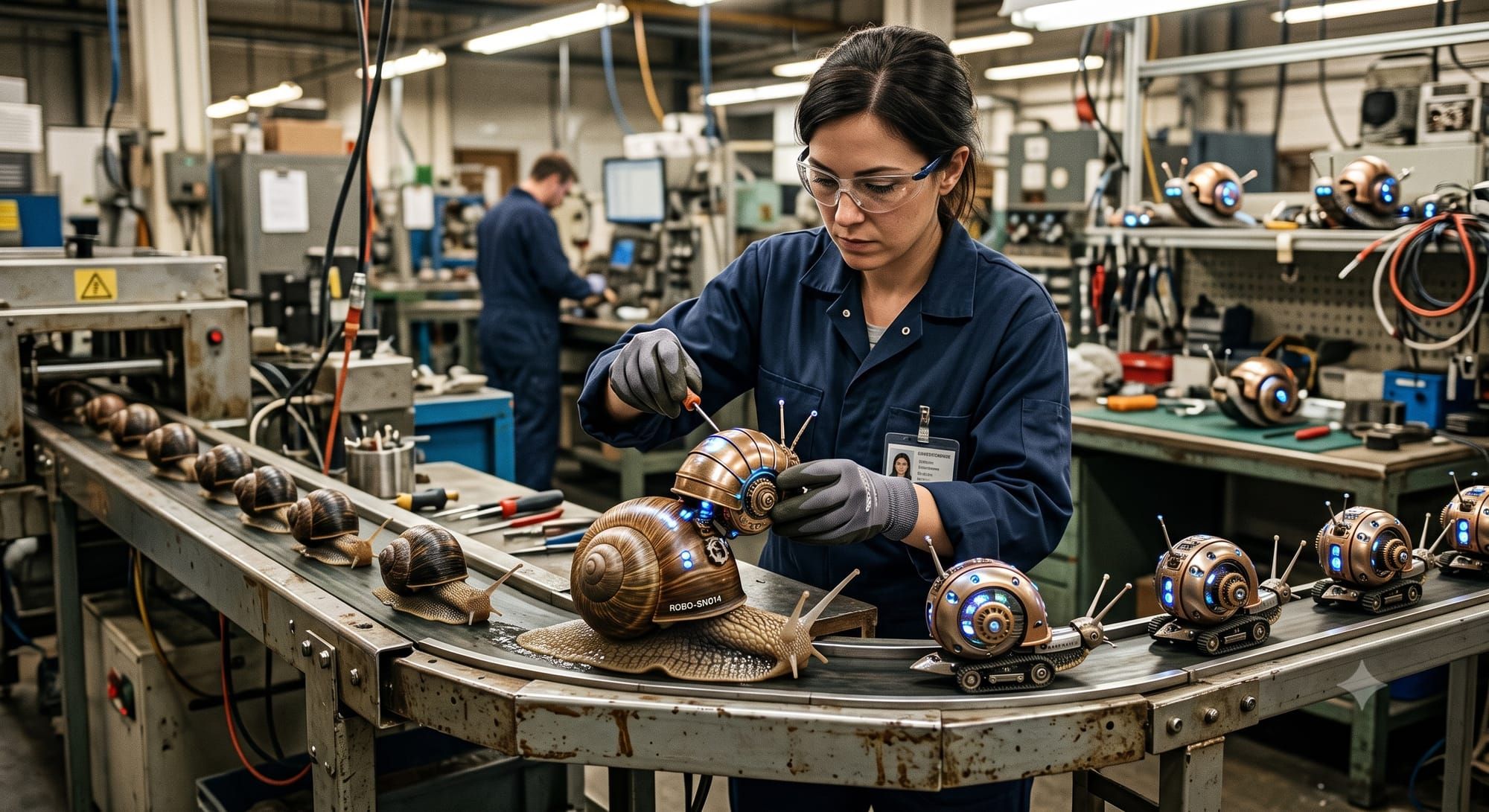
The word is SLOW.
Where do you plant AI to get the most from it? Not where most people plant it. Let's start there.
The Trap Everyone Falls Into
Most people reach for AI to do something they've never done before.
Or something they rarely do.
Build an app. Write a novel. Create a game. Plan an entire trip to Japan. Design a logo. Launch a YouTube channel.
Doesn't matter. AI can do it for you.
So we try. We generate. We get excited.
Then we stop.
The app gets built and sits undownloaded. The article goes unread. The travel plan looks great but misses every local detail that actually matters. The game runs once, crashes, and nobody fixes it.
We didn't know enough about the thing to judge the output. We didn't care enough to iterate. We just wanted to have it, not use it.
This is not a personal failure. 42% of companies abandoned most AI initiatives in 2025, up from 17% in 2024. More than 80% of enterprise AI projects fail to deliver their promised business value. The pattern is everywhere.
The Opposite Move
Forget new territory.
Go back to your Monday morning.
Look at what your team actually does during those 8 to 10 hours.
The reporting that takes three hours. The emails that get rewritten four times. The meeting notes nobody trusts. The data nobody formatted correctly. The status update deck that somehow takes a full afternoon.
You know these tasks. You've done them hundreds of times. You hate them.
That is exactly where AI belongs.
You already know what good looks like. You'll spot a bad output in seconds. You'll iterate fast because the stakes are real and the feedback is instant. Companies deploying AI to automate repetitive tasks see tangible productivity gains, precisely because the work is familiar, the quality bar is clear, and the time saved is immediate.
Find the Slow Parts. Fix Them One by One.
Start with the slowest thing on the list.
Not the most impressive. Not the one that will look good in a pitch deck. The slowest. The one that makes people groan every single week.
Fix it with AI. Measure it. Feel the relief.
Then move to the next slow part.
That's the whole strategy. Small win, then next small win. Workflow automation streamlines repetitive tasks, boosts productivity, and reduces human error, freeing people to focus on work that actually requires human judgment.
The Day Everything Changes
One day you'll look around and realize something.
The slow parts are gone. All of them.
Your team didn't do one big AI transformation. They did fifteen small ones. And compounded, those fifteen small wins have made the team 5x faster than they were a year ago.
Now the old bar feels embarrassing. The new bar is higher.
So you look again. New slow parts have emerged, things that only became visible once the old bottlenecks cleared.
Fix those too.
This is how ultra-efficiency is built. Not in one dramatic leap. In iterations. Relentlessly, quietly, one slow at a time.